
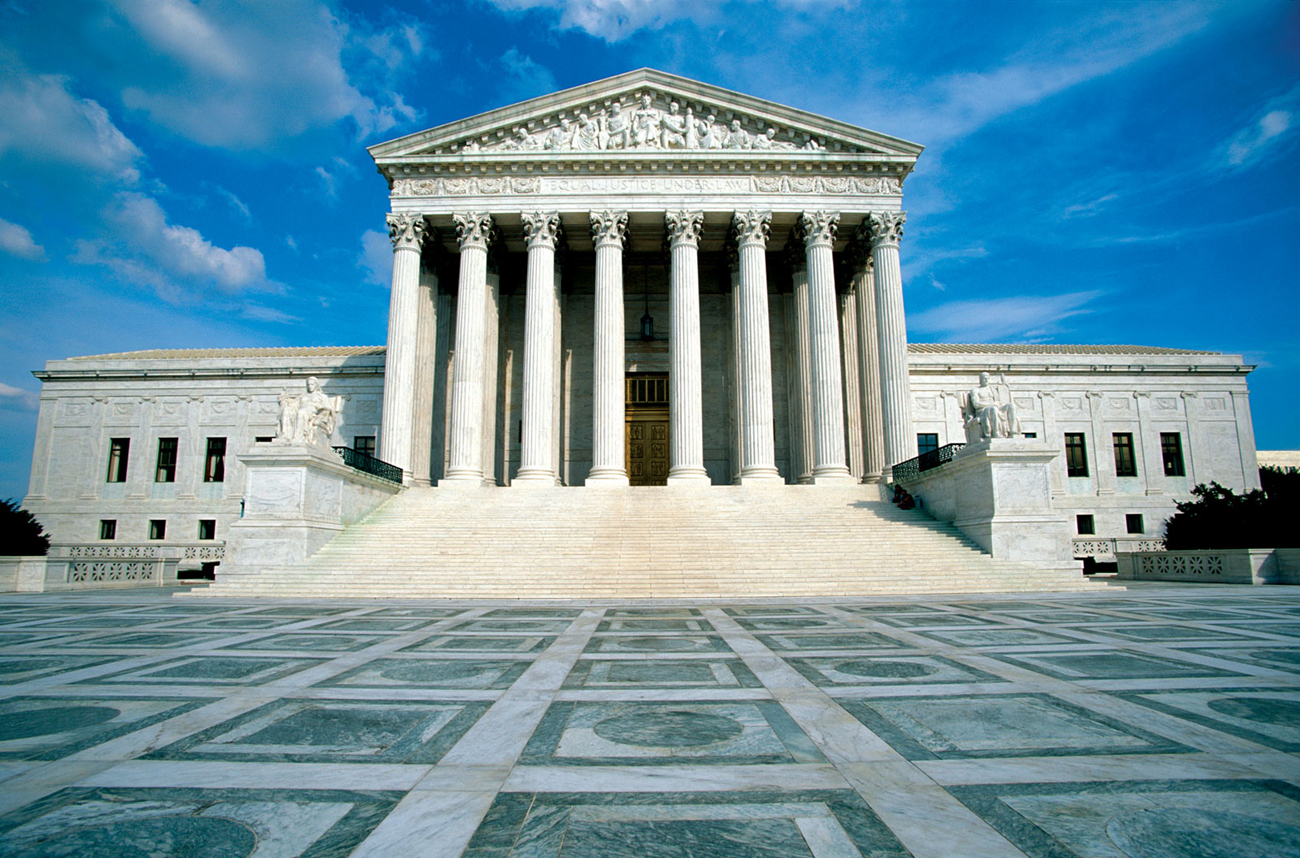
 On 2/21/2012, the Supreme Court of the United States ruled in the case of Howes, Warden vs. Fields, No. 10-680. This case addresses the issue of police questioning of a prisoner without giving Miranda Warnings. The High Court held that Miranda protections do not apply to prisoners, as long as certain circumstances are present.
What is interesting about the majority opinion, written by Justice Samuel J. Alito, and joined by Justices Roberts, Scalia, Kennedy, Thomas, and Kagans, is the reasoning the Court used in overturning the U.S. Court of Appeals Sixth Circuit assertion that the interview of prisoner Randall Fields by sheriff’s deputies was a custodial interrogation.
Although it is lengthy, instead of paraphrasing the ruling, I thought I would print three of what I think are the key passages in the syllabus of the Supreme Court’s decision:
“The initial step in determining whether a person is in Miranda custody is to ascertain, given ‘all of the circumstances surrounding the interrogation,’ how a suspect would have gauged his freedom of movement. Stansbury v. California, 511 U. S. 318, 322, 325. However, not all restraints on freedom of movement amount to Miranda custody. See, e.g., Berkemer v. Continue reading


