
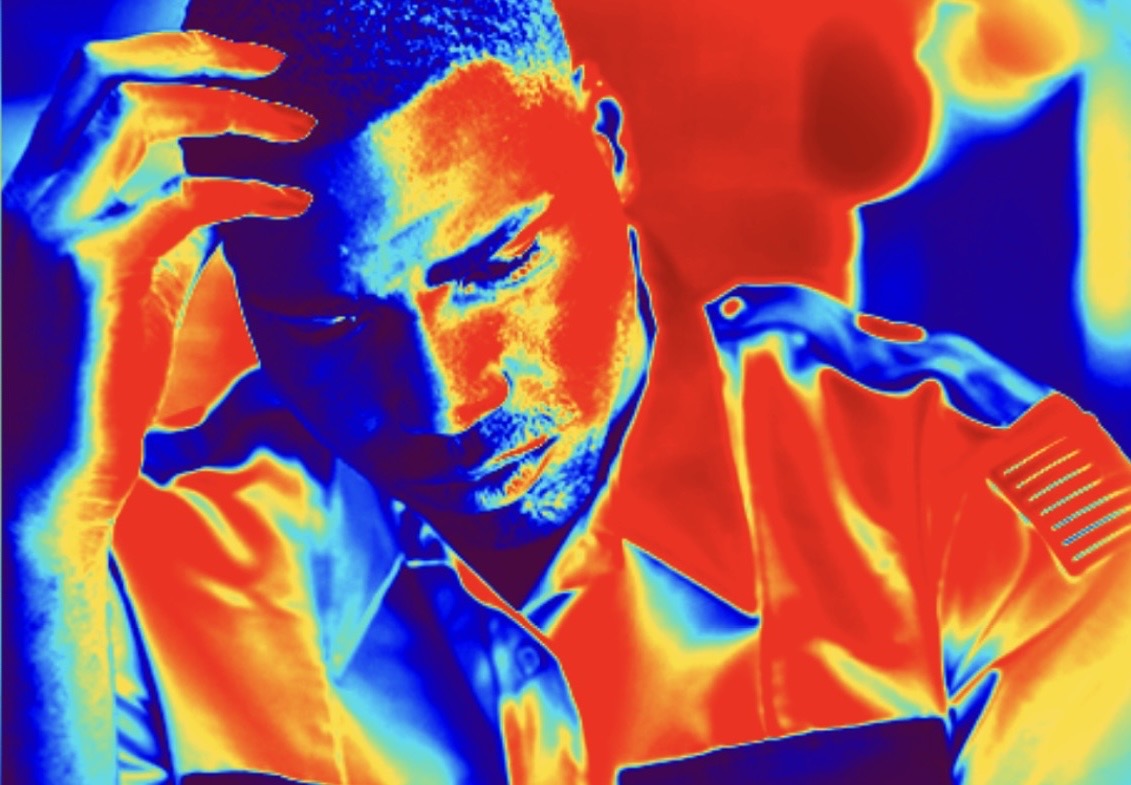
Anyone else tired of the “officer wellness” rhetoric? Gee, somehow veteran cops survived the difficult shifts without all the attention and sympathy that the next generation apparently needs in this line of work. Policing is becoming a soft profession. I guess it is the same for all First Responders. Doing the job in today’s world apparently makes you a victim.
Yeah, showing emotions meant showing weakness for past generations, but surviving also meant having the trust of your peers. Your partners back then were baby boomers who had a much less doting upbringing than you. Opinions were as black and white was the police cars. If it’s bleeding, rub some dirt in it and move on.
I’ll admit the old timers perspective was harsh. These were guys steeped in the cauldrons of the Korean and Vietnam conflicts and the American-Irish view of policing. A wood baton and leather sap had a legitimate place in attitude adjustment. Men were rough. Fights were more hand-to-hand combat than defensive tactics. Gun battles were revolver serious. And then law enforcement changed.
Tamping down and personally dealing with your feelings became passé. The old school way was to go home, drink some bourbon, and sulk with your anger to get over it. Or maybe to pour yourself into your family. Not so these days. There are whole weeklong classes on managing your mental health and job-related “trauma.”
There are peer officers “trained” in critical incident stress management (CISM). I took that course. Its premise is that cops-in-need only want to talk to other cops who have walked in their boots. But I declined to practice it on other troops because my common sense and psychology degree told me that acting as an effective counselor is not for the marginally trained.
Case in point, at a neighboring agency, the well-meaning CISM crew inserted themselves into a situation involving an officer with drinking and personal problems. CISM convinced the commanders that they could help him by sending him to alcohol rehab and employing their personal oversight. He went to rehab not once, but twice. And then he relapsed again, showing up very drunk to work.
My assertion was that their problem officer should have been terminated for his own good, the good of the agency, and that of their city. It was documented and justified. I was seen as being too harsh, said others with whom I spoke. But the guy’s situation had become dire.
Eventually, the assigned CISM monitor found the officer dead in his apartment from suicide. I was disappointed and felt that the entire affair had been mishandled by that department’s mental health enablers who convinced others that they were going to save him. In effect, they killed him instead.
My opinion is that the internal culture of “The Agency is Here to Save You” sows fragile officers and reaps the retention of people who should not wear the badge. Tough things are required of our men and women in blue. No doubt about it. Yet, we should not be guilty of boo-hoo-ing at them about being victims. It just weakens the profession. Better to help the strong stay that way and cut the vulnerable ones loose.
Randall


