
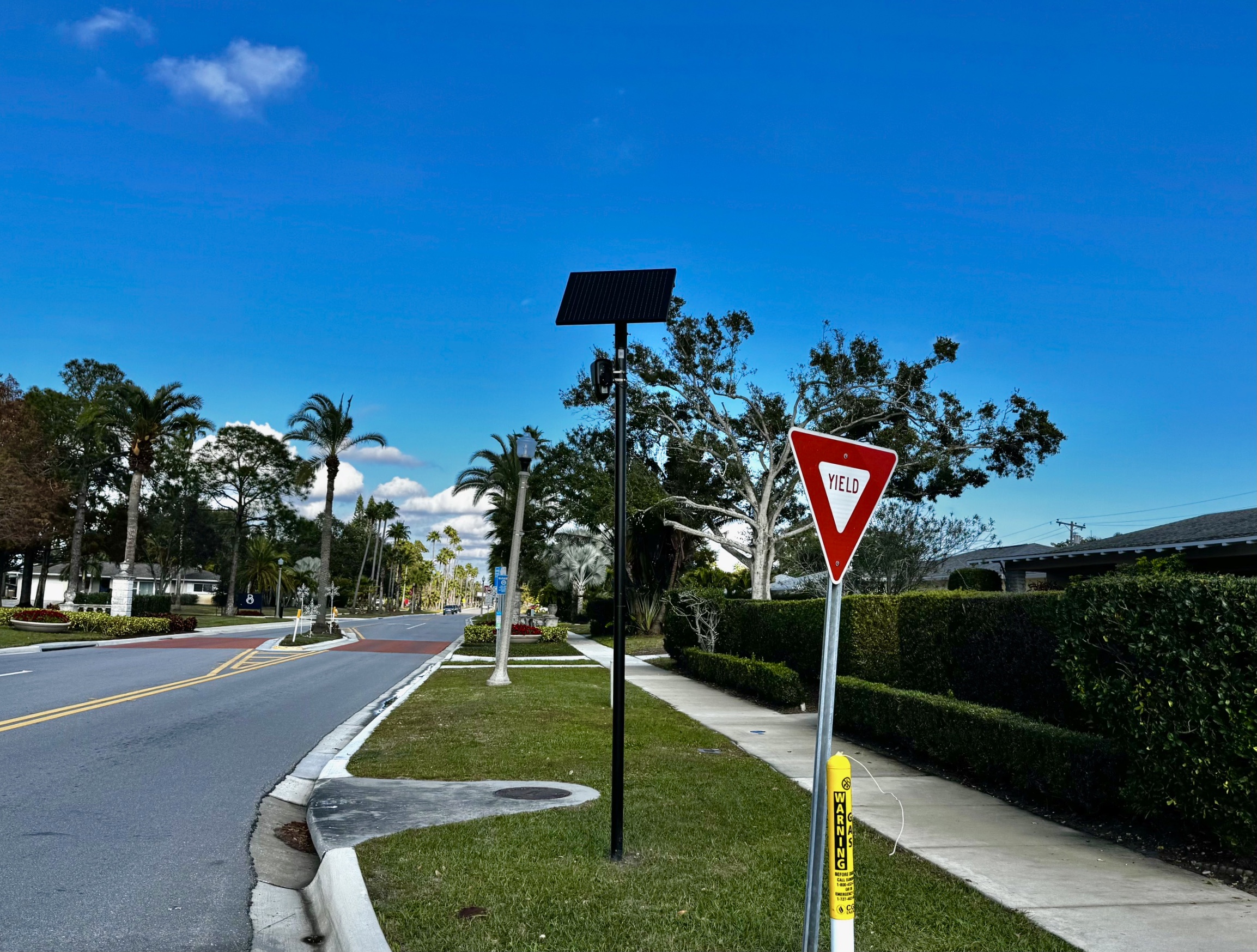
By way of explanation, I helped negotiate Flock cameras for my last agency. We approached the county sheriff and asked to piggyback on their contract to keep our costs down and to add several cameras to Star-Man’s system. It was mutually beneficial.
A few years back, there was no controversy over the existence or use of the automated license plate readers (ALPRs). My first department had been using them going back at least six years. We did not have a single complaint about their use in solving crimes or finding missing persons.
I feel the angst over the ALPRs started when their misuse by unscrupulous officers and deputies became known to the general public. By illegally using them to track ex-spouses, girl or boyfriends, family members, or other targeted individuals, the ALPRs exposure as a “surveillance” platform became a widespread belief.
Surveillance is defined as “a close watch kept over someone or something.” A surveillance platform denotes the capability to observe a subject in real time. ALPRs do not do this. When a user plugs in a license tag number, the ALPR system creates a matrix of dates and times the tag has been seen by the cameras. It is a sort of connect the dots. It is not necessarily complete because the vehicle may not always or often pass an ALPR on its journey.
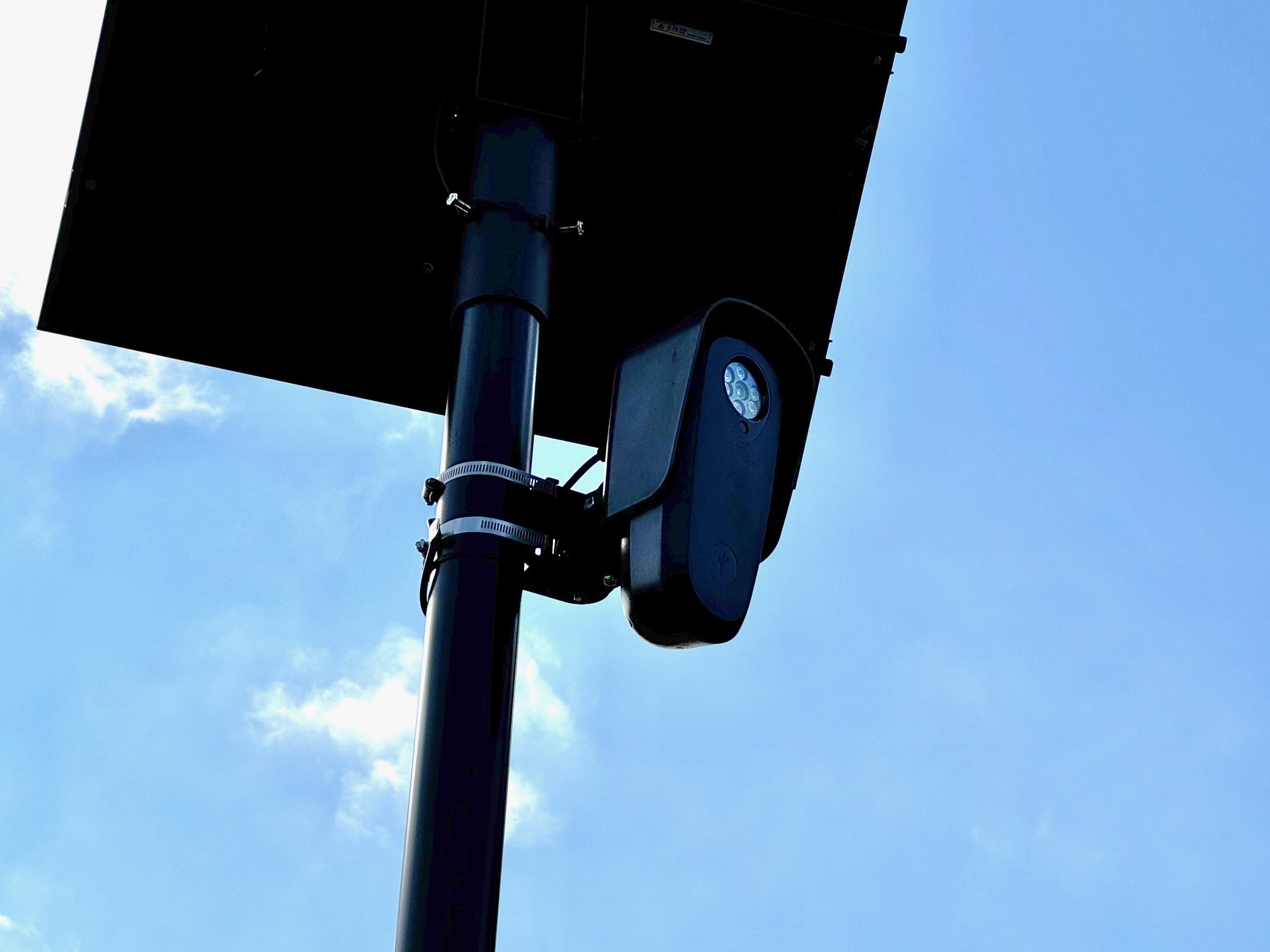
No one is actually watching a particular vehicle or person. An ALPR passively collects data that is later available for analysis. Remembering that vehicles on the roadway are in the public domain, anyone with a cell phone can take your photo. Even stolen cars in motion would be long gone by the time an ALPR triggers a hit and relays the info to a department.
People are not photographed by ALPRs. The vehicle tag, make, model, color, and distinguishing features are captured, but not an identification of the driver or passengers. Other investigative techniques are necessary to positively place a person in the vehicle.
It is not, in my opinion, a violation of a person’s Fourth Amendment rights to photograph their state-registered vehicle on a public road. Courts have upheld on-view traffic infractions, speed enforcement cameras, red light cameras, and observations leading to arrests based on the public visibility of a car. There is no expectation of privacy outside of your private domicile, however, I acknowledge that there are those who feel uncomfortable in what they may perceive as a surveillance state.
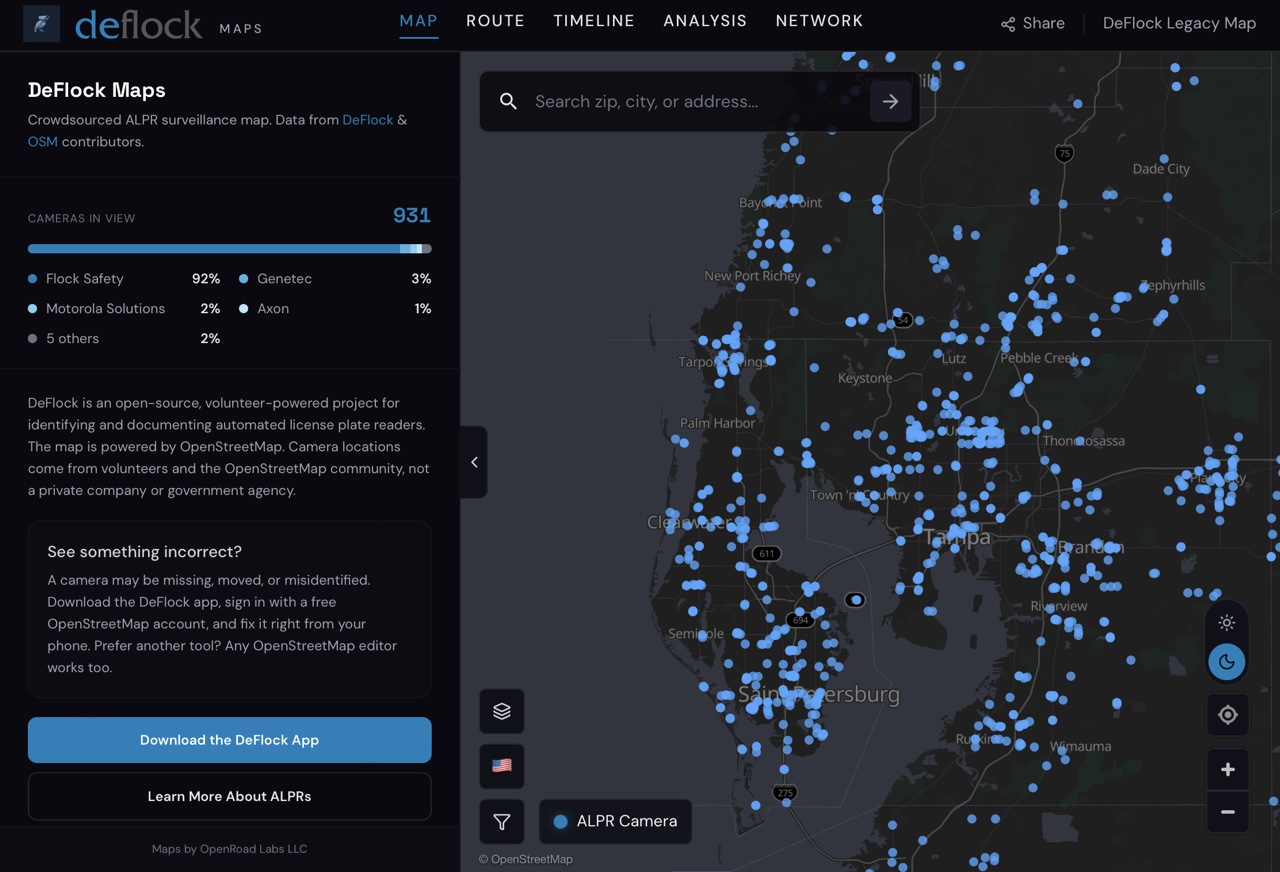
But now we get to the real problem of Flock and other vendors ALPR systems. The users are human. A human being stirred into the technology mix can sour the milk. I rattled around in police work for nearly four decades. Having been a supervisor, unit commander, and internal affairs boss, I am realistic about lack of trustworthiness of a small fraction of the workforce. It is the same for any job. One percent will ruin it for everyone else.
Officers go through annual training on the prohibition to accessing databases for personal use. Heck, just logging in to drivers’ license or tag functions makes one acknowledge punishment for misuse. There is no lack of reminders. Cops who get caught and play the “I didn’t know” game get fired. They can potentially lose their certification or be criminally charged. All have happened.
Auditing programs can notify an agency when a bad actor is suspected. Flock had a voluntary auditing system that is now mandatory for all departments. But I have another solution that makes more sense than relying solely on computerized analytics. Restrict all ALPRs’ user pools.
Does every beat cop need access to ALPR? Nope. When my original department got its ALPRs, only detectives could obtain the readouts. An officer had to contact a dick and give a case number and reason for the query. There would be an accountability trail. What if, smart guy, there is an emergency, you ask? Simple.
Give patrol sergeants the same permissions. There will always be an on-duty supervisor who can run a tag search during a time sensitive critical incident or for a missing person last seen in a vehicle (a Silver Alert in Florida). Same case number and justification requirements apply. And keep the automatic audits in as a fail safe. Reduce the users.
Not to be an apologist here, but the network of publicly placed cameras, not just by Flock but by other providers, has without question brought criminals to justice and loved ones back to their families when no other method would have done so. It has been expedient and effective. Much like K9 dogs, helicopters, and MRAPs, these ALPR cameras provide unique capabilities not found in other law enforcement tools.
The human factor must be limited in this equation. The temptation for ALPR misuse can overcome those few weak-minded or criminally motivated individuals who should not have badges or access in the first place. People who have sworn oaths should know better, yet, nationwide, over fifty officers have been caught in the illicit use of Flock so far this year. Good cops don’t back the bad ones.
It is not time to eliminate the tool but to add better accountability for those who have their hands on it. As to my last agency obtaining Flock, it happened after I retired. There is now a Flock camera across the street, pointing toward my house. Recently, somebody zip tied a cardboard sign on it to warn residents about the dangerous eyeball. It wasn’t me, but I had to smile.
Randall


